Works in a basement
Every set saves on your phone first and syncs when you're back above ground. No signal, no problem.
Strength workout tracker · Progressive overload
Log your sets. Rate how they felt. Get next week's weights, reps and sets, worked out from what you actually lifted, not from a template.

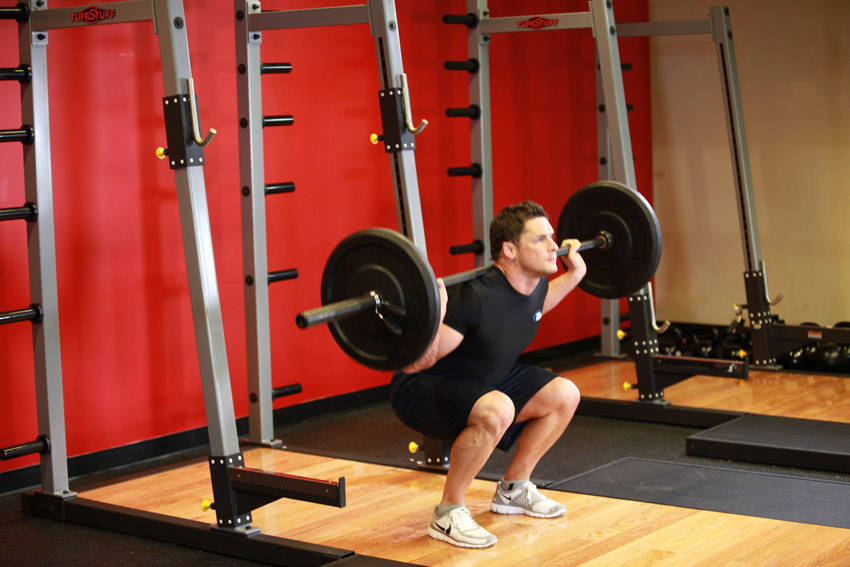
Barbell Squat
8–10 reps · stop 2 short of failure
kg · bar + 25 + 15 a side
Reps
A block is a run of weeks on one routine. Each week is set from the one before, so the plan keeps up with you.
Weight, reps and how many you had left. Big targets, one hand, readable from the bench.
Pump and effort for each muscle, two taps after the session. Soreness gets asked next time, when you'd actually know.
Sets rise where you recovered and hold where you didn't. Loads step up in amounts your gym can actually load.
The engine
The progression engine is plain rules, not a black box. Read why chest got two more sets and quads held. After each block it learns your own volume limits and uses them for the next one.
AI can transcribe a set you say out loud, suggest a swap, or explain your week—and you can connect ChatGPT or Claude in read-only mode to talk through your log. None of them ever pick a weight. Turn AI off and nothing changes.
Good pump, solid effort, not sore. Two more sets.
Slight pump, recovered in time. One more set.
Effort was too much. Holding until it settles.
Every set saves on your phone first and syncs when you're back above ground. No signal, no problem.
Tell it your bar, plates, dumbbells and cable steps. Every prescription is something you can actually put on the bar, with the plates spelled out.
Vibration, optional sounds, a 10-second warning, and a notification when your phone is locked.
33 movement families, each with its variants: grips, angles, one side or both. Swap mid-workout without losing the plan.
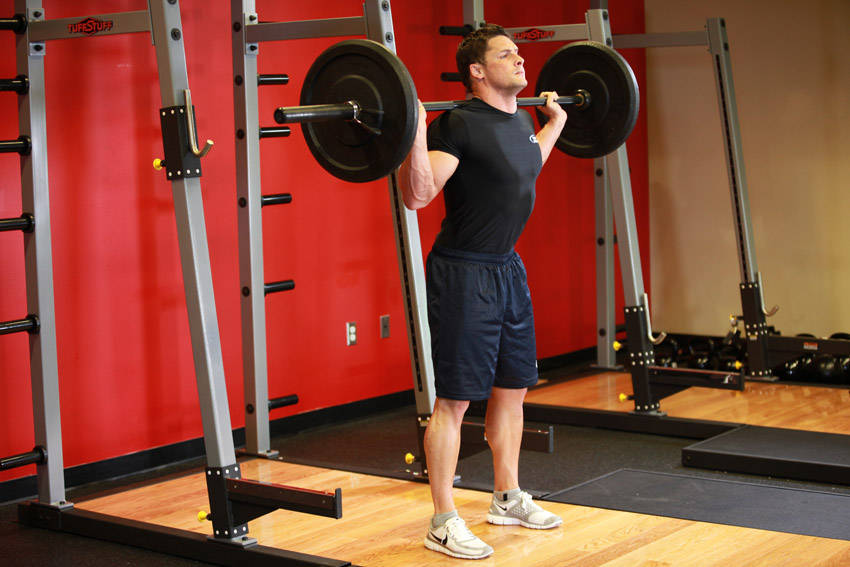
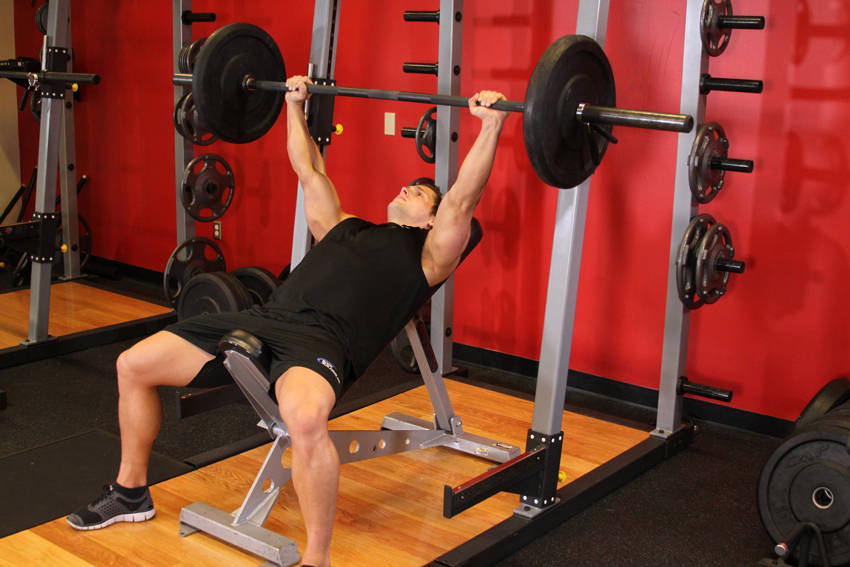
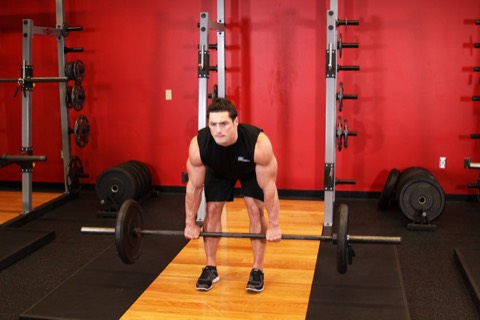
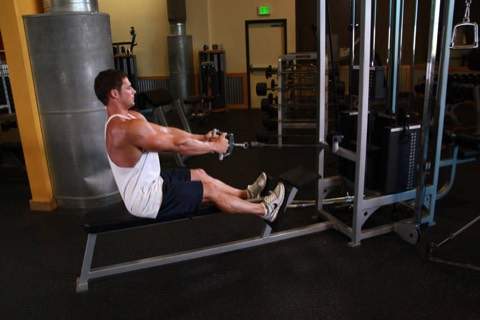
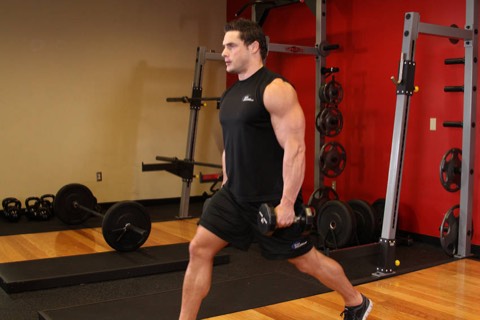
Start and finish photos, step-by-step instructions, and your own history on every lift: last time, heaviest set, best estimated max.
That just happened
Progress you feel the moment it lands, not three months later in a spreadsheet.
Training lives across cuts, bulks, Sunday evenings, and the weeks life gets in the way. The log keeps up with all three.
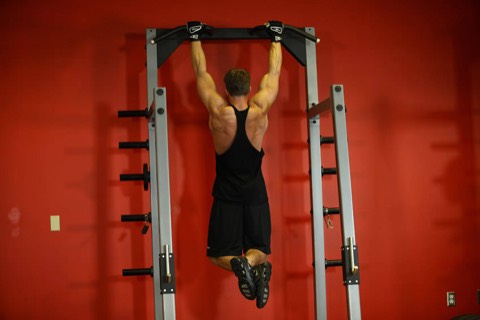
Log weigh-ins and 14 body measurement sites. A 7-day trend smooths out daily water swings, keeps your pull-up and dip loads current, and reads your estimated maxes against your bodyweight—so you see whether a cut is holding strength or a bulk is going into the bar.
Every Sunday evening—on Today, by notification, or by email—you get what you did, what moved, and what's next: workouts, working sets, weight moved, records, your biggest estimated-max gain, and your bodyweight trend.
Weeks away cost some strength, so your old weight is the set you fail or the one that hurts. After 14+ days off a lift, TRN/LOG starts it lighter with extra reps in reserve and climbs back to full over two to four sessions.
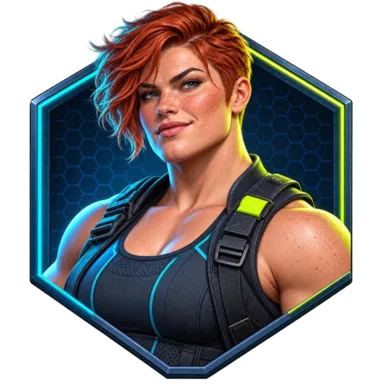
XP comes from following the method: sessions, planned days, honest ratings, deloads done properly. Nothing for junk volume, and nothing for opening the app. Pick any of the fourteen characters on day one.












Pick a template or build your own. Log the first workout and the app takes it from there.
Create your accountI already have one · Sign in